
Choosing the best time to get married in Malta is not simply a question of finding the month with the least rain. Temperature, daylight, ceremony time, your venue and the kind of experience you want for your guests can all make one month more suitable than another.
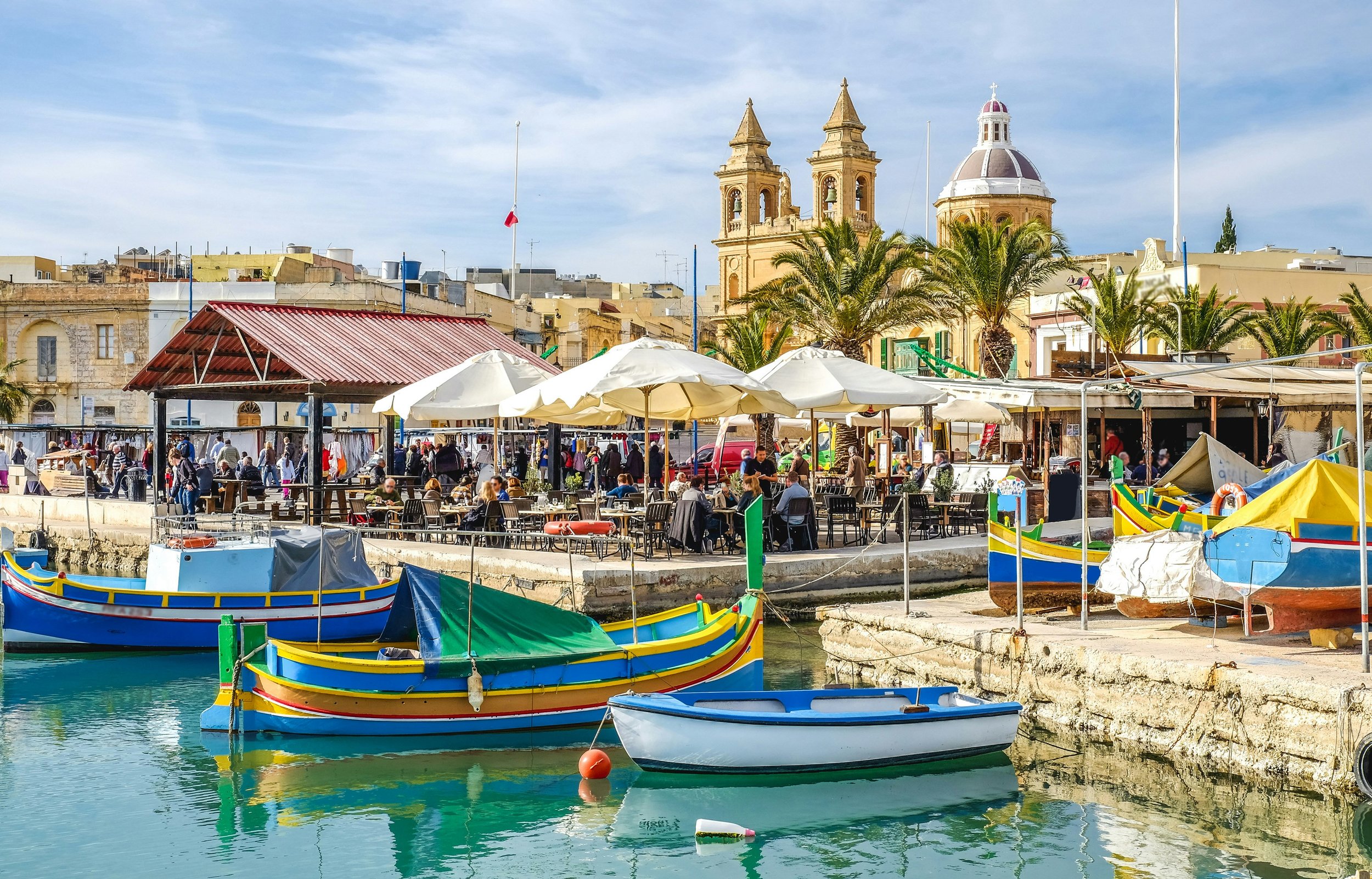
Malta has a Mediterranean climate with long, dry summers and generally mild winters. For many destination weddings, May, June, September and early October offer the most attractive balance of warmth, daylight and outdoor possibilities. July and August bring the lowest statistical risk of rain, but they are also the hottest months, which can make an afternoon ceremony uncomfortable.
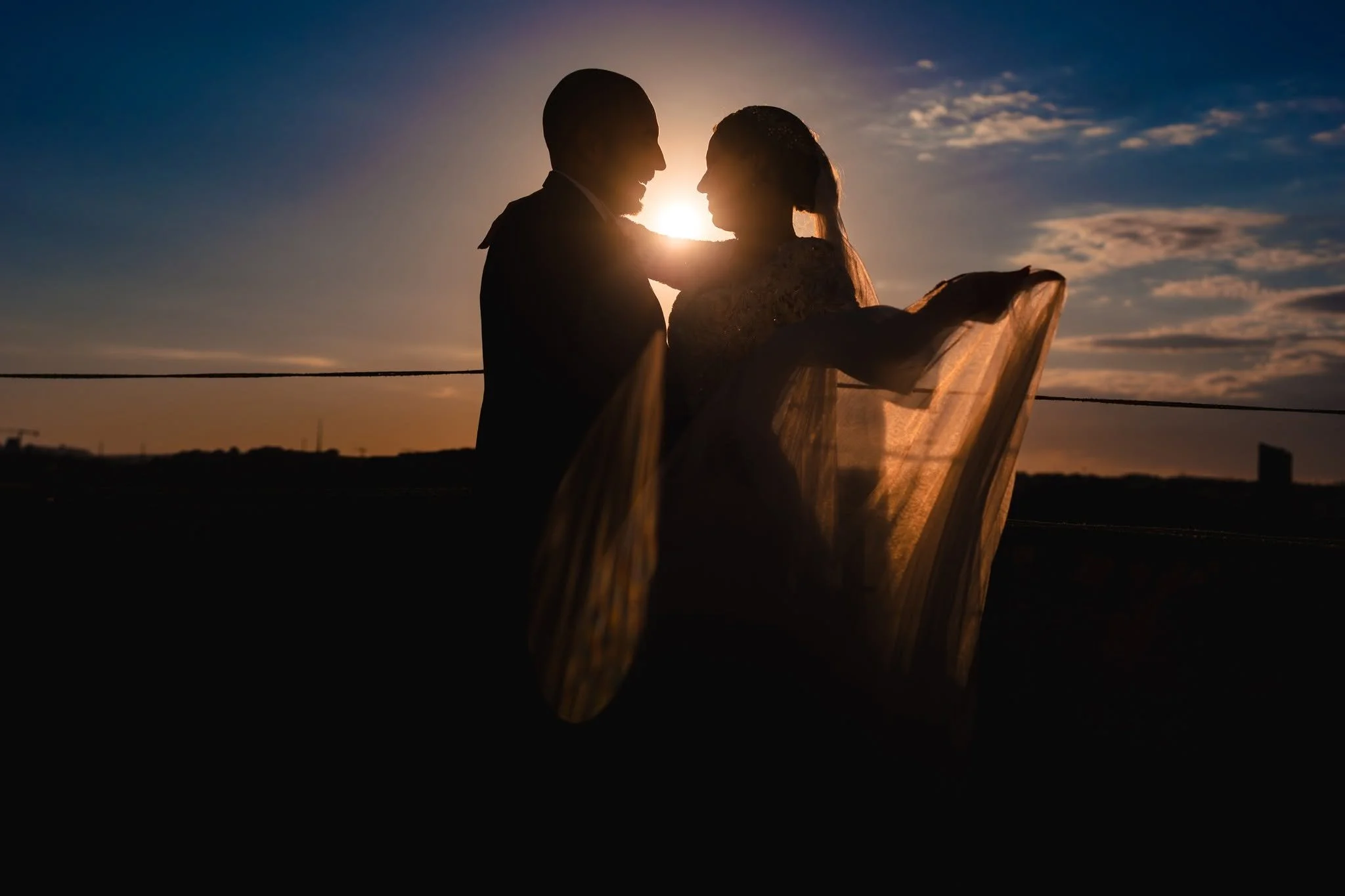
From a photography perspective, the season matters too. The same venue can feel completely different in May and August because of the position and intensity of the sun, while sunset can influence everything from your ceremony time to when you disappear for a few quiet portraits together.
So, rather than looking for one universally perfect month, it is better to ask: what is the best time to get married in Malta for the wedding you are actually planning?
When is the best time to get married in Malta?
For most couples planning an outdoor or partly outdoor wedding, May, June and September are particularly strong choices.
May is warm without normally having the intense summer heat of July and August. June offers long evenings, very little average rainfall and plenty of daylight. September remains warm and summery, although the statistical chance of rain starts increasing as Malta moves towards autumn.
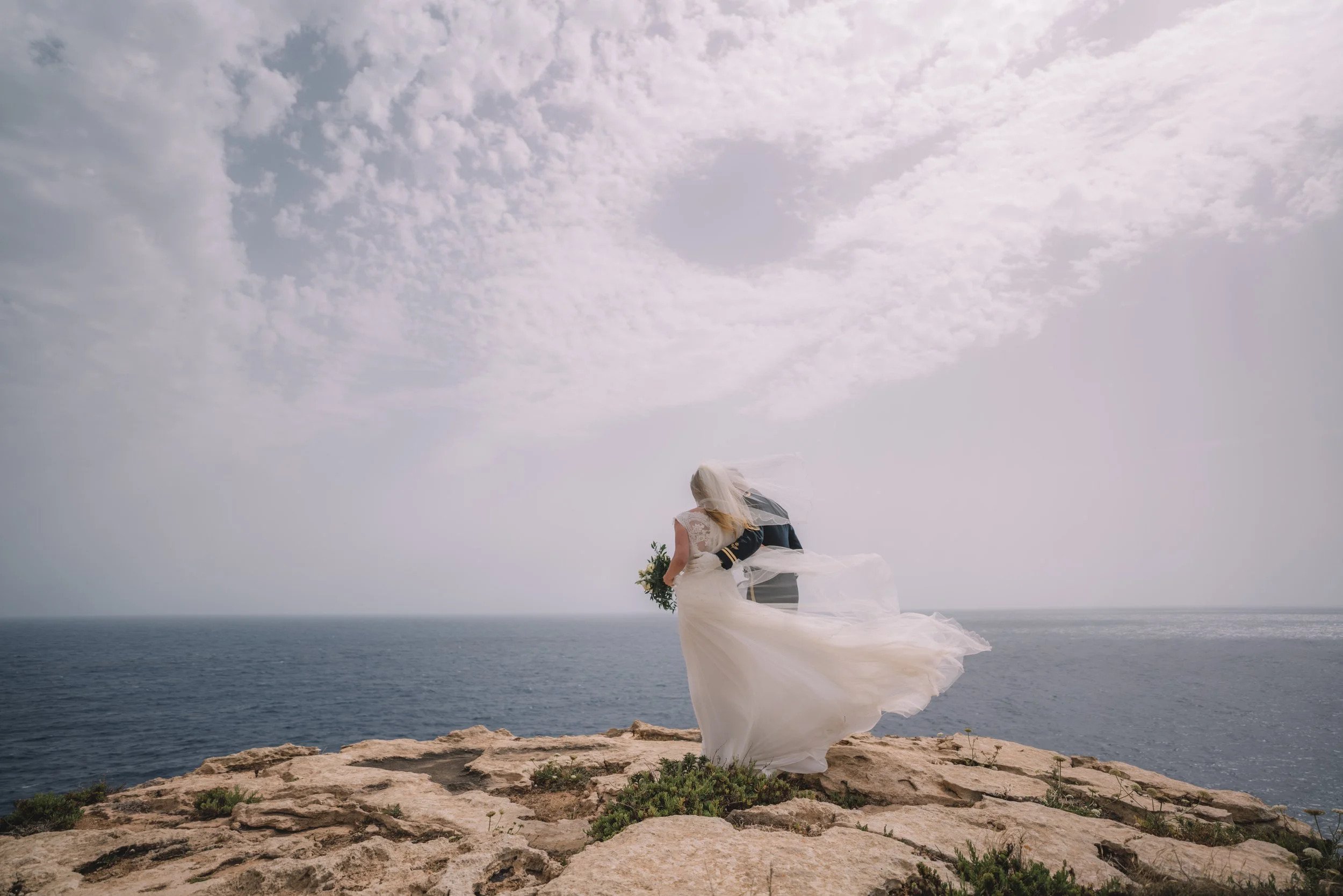
October can also be an excellent option, particularly for couples who prefer more comfortable temperatures. The trade-off is greater weather variability and noticeably earlier sunsets.
July and August are Malta's driest and hottest months. They can work beautifully for an evening wedding, but ceremony timing becomes especially important.
There is therefore no single "best month". The choice depends on whether your priorities are comfortable temperatures, long daylight hours, minimal rain, swimming weather, quieter portraits or simply the atmosphere of a particular season.
Malta wedding weather month by month
It helps to look at Malta's long-term climate rather than rely on impressions of individual summers.
Official 1991–2020 climate data recorded by the Malta International Airport Meteorological Office show how quickly conditions change between spring, summer and autumn. These figures are long-term averages, not a prediction of what will happen on a particular wedding day.
April: mild and increasingly bright
April is worth considering if you would rather avoid summer heat.
Malta's long-term average maximum temperature in April is around 20°C, with approximately 8.4 hours of bright sunshine per day. Average monthly rainfall is considerably lower than during winter, although unsettled weather is still possible.
For a wedding, that means comfortable conditions can be quite realistic, but an outdoor ceremony should still have a proper indoor or covered alternative.
The softer temperatures can also make it much easier to spend time walking around locations such as Valletta or Mdina for photographs without feeling rushed by the heat.
May: one of the most balanced months
If comfort is a priority, May is one of the strongest months for a Malta wedding.
The long-term average maximum temperature is around 24°C, while average rainfall falls to approximately 11 mm for the month. There are also close to ten hours of bright sunshine per day on average.
That combination works particularly well for destination weddings where guests may be spending several days exploring Malta around the celebration.
There is normally enough daylight for a relaxed timeline without pushing the wedding too late into the evening. At the same time, the sun can already be strong, so an exposed midday ceremony is still something worth thinking carefully about.
June: long evenings and very little average rainfall
June is another particularly attractive month.
The average maximum temperature rises to roughly 29°C, but average rainfall remains very low at around 7 mm. Malta also averages more than 11 hours of bright sunshine per day during the month.
One of June's biggest advantages is daylight. Around the longest days of the year, sunset in Malta falls after 8pm. This gives couples far more flexibility when planning an evening ceremony, portraits and the transition into the reception.
That does not mean you need to organise your entire wedding around sunset. It simply gives the timeline more breathing room.
For many destination weddings, June offers an excellent compromise between reliably summery conditions and the more intense temperatures that tend to arrive later.
July: dry, sunny and very hot
July has exceptionally little rainfall in Malta's long-term climate record. Average rainfall is close to zero, while the average maximum temperature is around 32°C.
That sounds ideal until guest comfort enters the equation.
A ceremony in an exposed garden at 3pm is very different from one beginning later in the evening. Formal clothing, direct sunshine and limited shade can make the hottest part of the day demanding, particularly for children and older guests.
Photography also needs to be planned carefully. Strong overhead sunlight can create deep shadows and make open locations much less flattering during the middle of the day.
A July wedding can work wonderfully, but the timeline should respect the season rather than fight against it.
Whenever possible, use shaded spaces earlier in the day and consider placing outdoor ceremonies and portraits later.
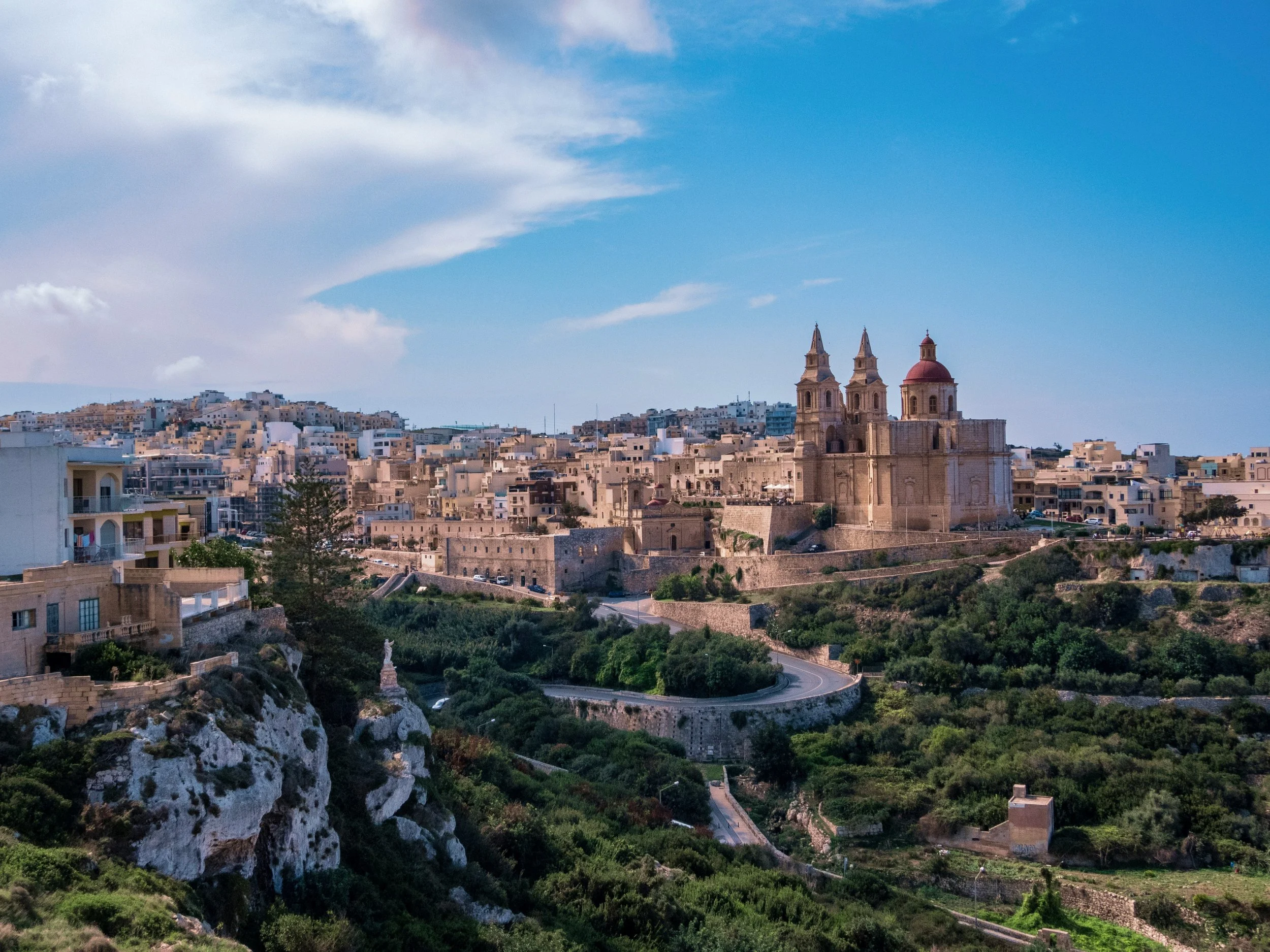
August: beautiful summer evenings, but expect heat
August is Malta's hottest month according to the 1991–2020 climate averages, with an average maximum temperature of approximately 32°C and an average minimum of around 23°C.
In other words, even the evenings can remain warm.
For couples who love a true Mediterranean summer atmosphere, that can be part of the appeal. Outdoor dinners, terraces and late-night celebrations fit naturally into the season.
The main consideration again is timing.
A late-afternoon or early-evening ceremony will usually make much more sense than asking guests to sit in direct sun during the hottest part of the day. Shade, water, fans and easy access to air-conditioned areas are practical details rather than luxuries.
It is also worth allowing a little extra time in the wedding schedule. Moving between locations in formal clothing feels very different at 32°C than it does at 24°C.
September: warm, summery and increasingly changeable
September is understandably popular with couples considering a Malta destination wedding.
The long-term average maximum temperature remains approximately 29°C, so it can still feel very much like summer. The sea has also had the entire summer to warm, which can be attractive if your wedding trip includes beach days or time on the water.
There is, however, an important difference from June and July.
Average rainfall rises noticeably in September. That does not mean a September wedding is likely to be rainy, but it does mean you should not plan an outdoor celebration on the assumption that rain is impossible.
Another change happens surprisingly quickly: sunset.
At the beginning of September, sunset in Valletta is around 7:30pm. By the end of the month it is before 7pm.
For photography, that difference matters. A timeline that works perfectly for a wedding on 2 September may need adjusting for the same venue four weeks later.
October: comfortable temperatures with an autumn trade-off
October can be a lovely choice for couples who dislike intense summer heat.
The long-term average maximum temperature is around 25°C, making outdoor movement and daytime celebrations much more comfortable than during peak summer.
The trade-off is weather reliability. Average rainfall increases substantially compared with the summer months, and periods of unsettled weather become more possible.
Days are also shorter.
By October, sunset may occur during the time many summer weddings would still be holding their ceremony or drinks reception. Later in the month, the change from daylight-saving time also shifts sunset an hour earlier by the clock.
This does not make October unsuitable. It simply makes timeline planning and a genuine wet-weather option more important.
If portraits in natural evening light are a priority, those photographs may need to happen before dinner rather than during it.
November to March: quieter, cooler and more unpredictable
Winter weddings in Malta are entirely possible, particularly if you prefer an intimate celebration, hotel wedding, historic interior or church ceremony followed by an indoor reception.
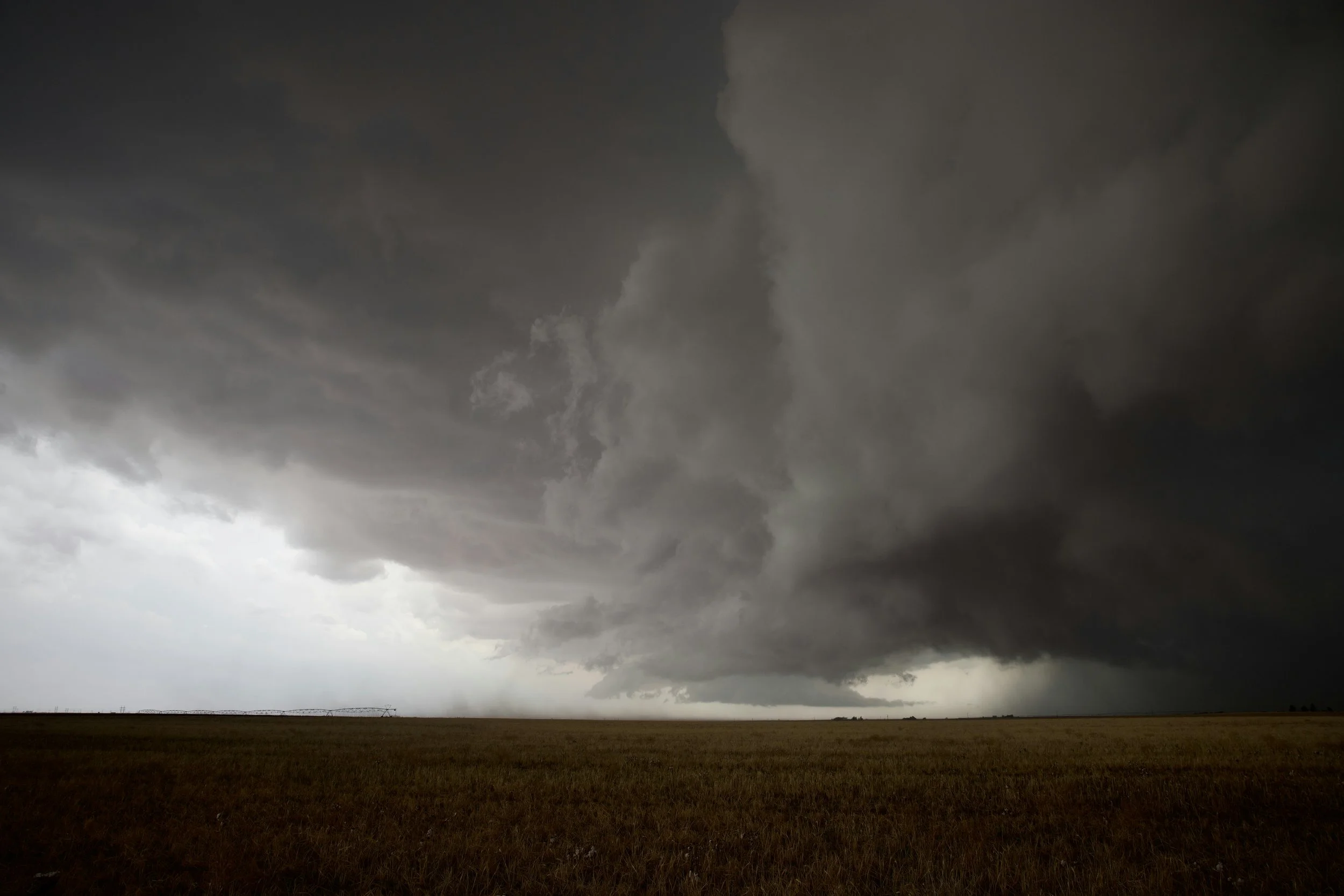
Temperatures are considerably milder than in much of northern Europe, but winter is also Malta's wetter period. Wind and changing conditions need to be taken seriously.
The shorter days create a different photographic rhythm too. Couple portraits may need to take place much earlier, and it can be useful to plan locations that work beautifully both indoors and outdoors.
A winter wedding should therefore be chosen because you genuinely like the atmosphere and format it allows, rather than because Malta is assumed to guarantee year-round sunshine.
How Malta's light should influence your wedding timeline
Weather tells only half the story. Light can have just as much influence on a wedding day as temperature.
During Malta's summer months, the sun becomes very high and strong around the middle of the day. Open terraces, fortifications, gardens and limestone streets can all receive intense direct sunlight.
That does not mean photographs cannot be taken at midday. A good photographer works with whatever light the wedding provides. But if you have flexibility, there are often better moments to plan the photographs that matter most to you.
The hour before sunset usually provides lower and gentler light than the middle of the afternoon. It can also be one of the nicest moments of the wedding to step away together for ten or fifteen minutes while guests are enjoying drinks.
Importantly, golden-hour photographs do not need to become a long photoshoot. The aim should be to work the portraits naturally into the day rather than interrupting the celebration.
This is also why your sunset time should be checked before finalising your ceremony schedule.
June gives you a very long evening. September loses daylight quickly throughout the month. October changes the equation again.
Planning around those differences can make the wedding feel more relaxed rather than more complicated.
What time should an outdoor ceremony start in Malta?
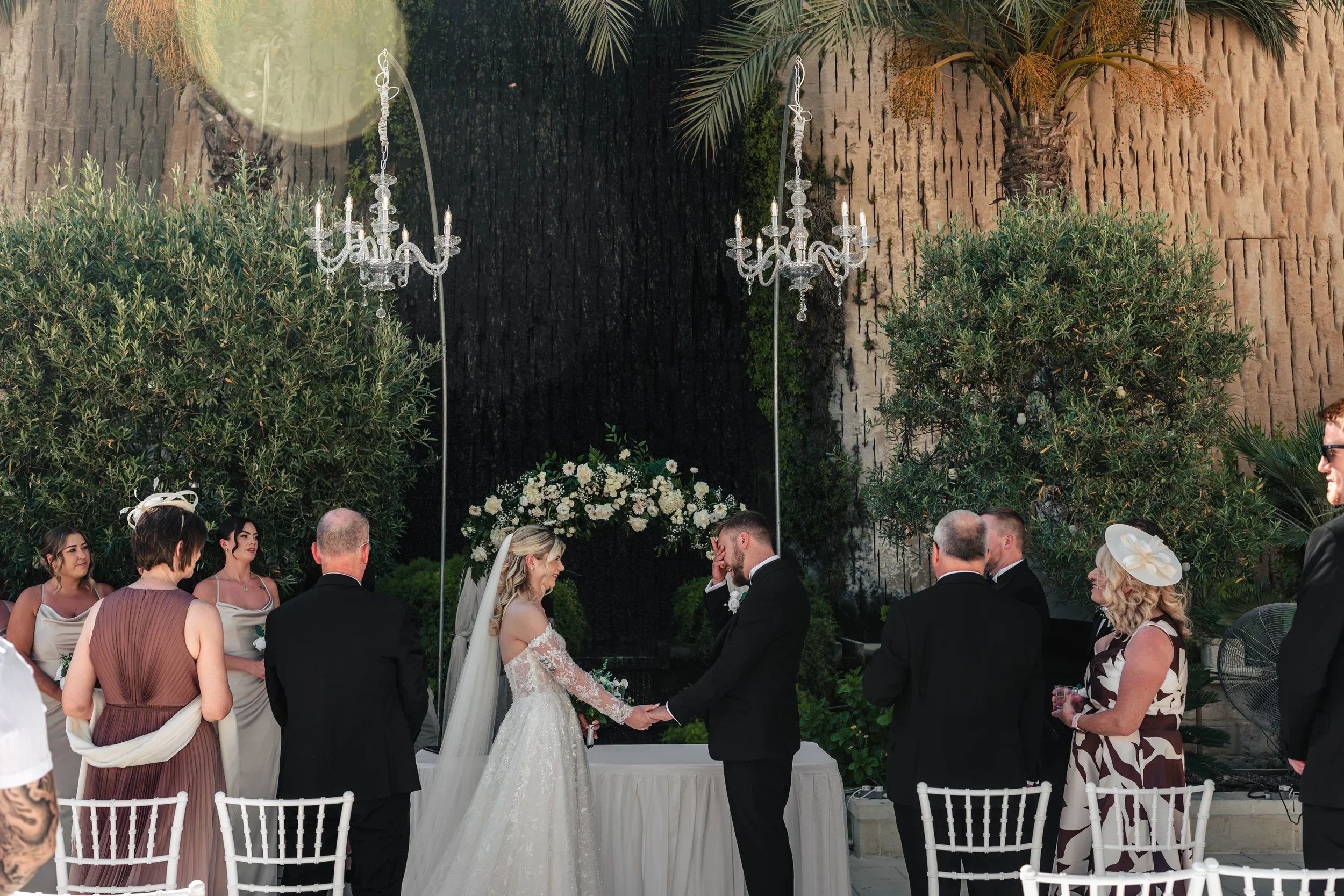
There is no single ceremony time that suits every Malta wedding. Your venue orientation, amount of shade, month, sunset time and length of ceremony all matter.
For a summer wedding, a later ceremony is often worth considering. Avoiding the strongest afternoon heat can make the experience more comfortable for you and your guests while also bringing the ceremony closer to softer evening light.
In May or October, an earlier ceremony may make much more sense because temperatures are milder and sunset comes sooner.
Before fixing a time, ask:
Will the ceremony area be in direct sunlight?
Where will the sun be during the ceremony?
Is there shade for guests?
How long will the ceremony last?
How much travel is required afterwards?
Do you want couple portraits before or after the ceremony?
What time does the sun actually set on your wedding date?
A ceremony time should form part of the overall wedding timeline rather than being chosen in isolation.
Which Malta wedding month is best for you?
Instead of choosing by temperature alone, think about the experience you want.
For an outdoor destination wedding
May, June and September are strong starting points.
They combine warm weather with plenty of daylight, although September requires a little more attention to rain contingency planning.
For a hot Mediterranean summer wedding
Consider July or August, particularly if you imagine an evening ceremony followed by an outdoor dinner and late celebration.
Just make guest comfort a central part of the schedule.
For an elopement or intimate wedding
Spring and autumn become especially interesting.
With fewer people and less need to build the day around a large guest list, an elopement can often be planned around the best light rather than around conventional reception timings.
April, May, September and October can all work beautifully, depending on how much weather flexibility you are comfortable with.
For a church wedding followed by an evening reception
The season may influence the transition between ceremony, portraits and reception more than you expect.
In June, there may still be abundant daylight after a relatively late ceremony. In October, portraits may need to happen immediately after an earlier ceremony if you want natural daylight.
This is something worth discussing with your photographer before confirming the final schedule.
Does the month guarantee good wedding weather?
Unfortunately, no. Climate averages tell us what is typical over many years. They cannot tell us whether a particular Saturday will be sunny, windy, humid or rainy. Even traditionally dry months can occasionally produce unusual weather. September and October can have long stretches of beautiful sunshine, but they can also experience sudden heavy showers.
The best wedding plan is therefore not one that assumes perfect weather. It is one that remains beautiful even if conditions change.
For an outdoor wedding, check what your venue can realistically offer if the weather turns. Ask whether the indoor alternative is large enough for your guests and whether moving the setup inside can be done quickly.
A backup plan should feel like a second version of your wedding, not an emergency solution nobody wants to use.
So, what is the best month to get married in Malta?
If you want the simplest answer, May and June offer one of the best overall combinations of comfortable warmth, relatively low rainfall and long daylight hours.
September is equally appealing if you prefer a later-summer atmosphere, with the understanding that rainfall becomes more variable as the month progresses.
October works well for couples prioritising cooler temperatures over maximum weather reliability.
And July and August remain excellent options when a true Maltese summer is part of what you want, provided your ceremony and photography are planned around the heat.
Ultimately, the best time to get married in Malta is the month that suits the type of day you want to experience.
Choose the season first. Then look at your venue, ceremony location, sunset time and photography timeline together. Those small decisions can make the wedding feel considerably more comfortable and unhurried.
If you are planning a destination wedding or elopement in Malta and would like your photography timeline to make the most of the season and available light, you are welcome to get in touch. A thoughtful schedule leaves more room for what really matters: being present with the people you chose to celebrate with.